TRAVERSE CITY, Mich. — A fish that has been missing from Michigan streams for roughly 90 years is back in northern rivers under a state DNR and tribal partnership, though nobody can yet say whether it will stay. Three tribal nations are now one full season into raising and releasing Arctic grayling, and biologists have still not confirmed a single stocked fish surviving on its own.
Doing the hands-on work are the Grand Traverse Band, an Ottawa and Chippewa nation, plus two Odawa nations, the Little River Band and the Little Traverse Bay Bands. Each tribe has its own watershed: the Boardman-Ottaway River, the Manistee’s North Branch and the Maple River.
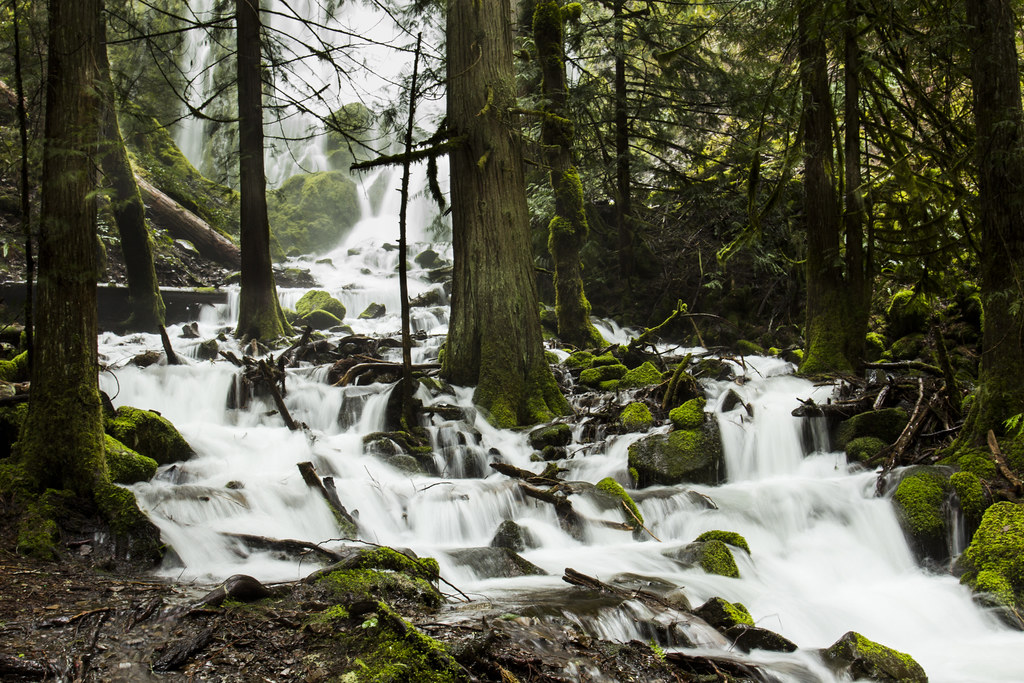
The grayling, called nmégos by the Anishinaabek, was once common across the northern Lower Peninsula and was a food staple for the tribes there. The logging era wrecked it. Rivers such as the Au Sable, Manistee and Muskegon were used to float timber to mills, which tore up spawning habitat, and overfishing plus the arrival of brown trout finished the job. The species was gone from Michigan streams by 1936, and stocking attempts in the late 1980s failed.
The current effort grew out of the Michigan Arctic Grayling Initiative, a coalition formed in 2015 that now has close to 50 member groups and governments. The state Department of Natural Resources handed about 400,000 eggs to the three tribes in May 2025 during a ceremony at its Oden hatchery near Alanson. The stock traces to the Chena River in Alaska, picked because its grayling are plentiful and genetically varied.
Results so far are mixed. The Grand Traverse Band, which raises young fish beside the river in water drawn from the same stretch where they will be let go, stocked roughly 8,000 grayling in the Boardman-Ottaway this year. That is around four times its first-year total, which was cut short when a power failure at its rearing site killed most of the fish.
On the Manistee, the Little River Band set eggs in incubators placed right in the stream near Kalkaska. A tribal biologist put viability at 50 to 60%, and tens of thousands of fry were spotted swimming out of the boxes, but none has been caught since. The Little Traverse Bay Bands say two years of ice storms and flooding have choked parts of their watershed with debris, making the fish hard to track, and they are watching warming river temperatures as a long-term threat to a cold-water species.
There are faint positive signs. Monitoring gear along the Boardman-Ottaway detected signals from a few grayling tagged before the earlier release, though biologists note a predator that ate a tagged fish could produce the same ping. Next year the Grand Traverse Band intends to look closely at how many young fish are lost to predators.
Biologists say a clear answer on whether grayling have truly reestablished themselves in Michigan is likely six to eight years away.
Filed under: Lansing MI Fishing News
More coverage: Lansing MI fishing